Late 2027: The New Deadline for Tesla's Optimus Humanoid Robot
Tesla has pushed the start of external Optimus deliveries to the end of 2027, citing unresolved challenges with the robot's hands and AI capabilities.
By Khalid Rahman ·
Tesla’s latest earnings call revealed a significant shift in expectations for its humanoid robot, Optimus. While the company has long promised to revolutionize labor with autonomous machines, it is now telling investors that external deliveries will not begin until the end of 2027. This update introduces a layer of skepticism, as the delay aligns with a pattern of shifting timelines that have characterized the project since its inception. The core tension lies in the gap between Tesla’s bold claims of market leadership and the tangible engineering hurdles that continue to stall progress.
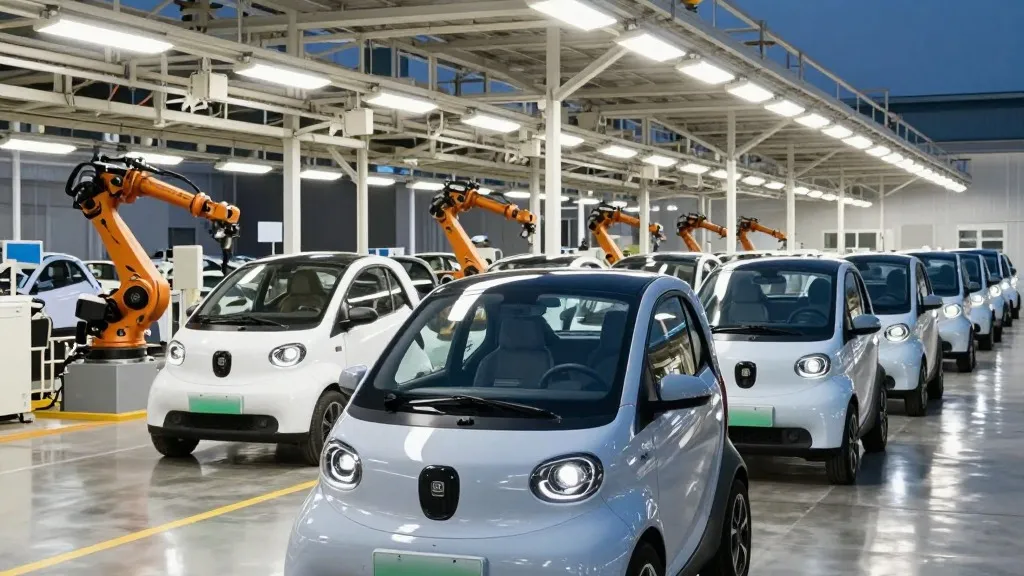
The financial and operational numbers behind this delay are specific. Elon Musk stated that early production has begun on the high-volume line in Fremont, a facility previously dedicated to Model S and X vehicles. Although the line is designed to eventually produce one million robots annually—equivalent to roughly 20,000 units per week—Musk acknowledged that reaching this capacity will take at least another year. He attributed this lag to ongoing changes in the design, particularly regarding the electromechanical components and the AI architecture that drives the robot's decision-making.
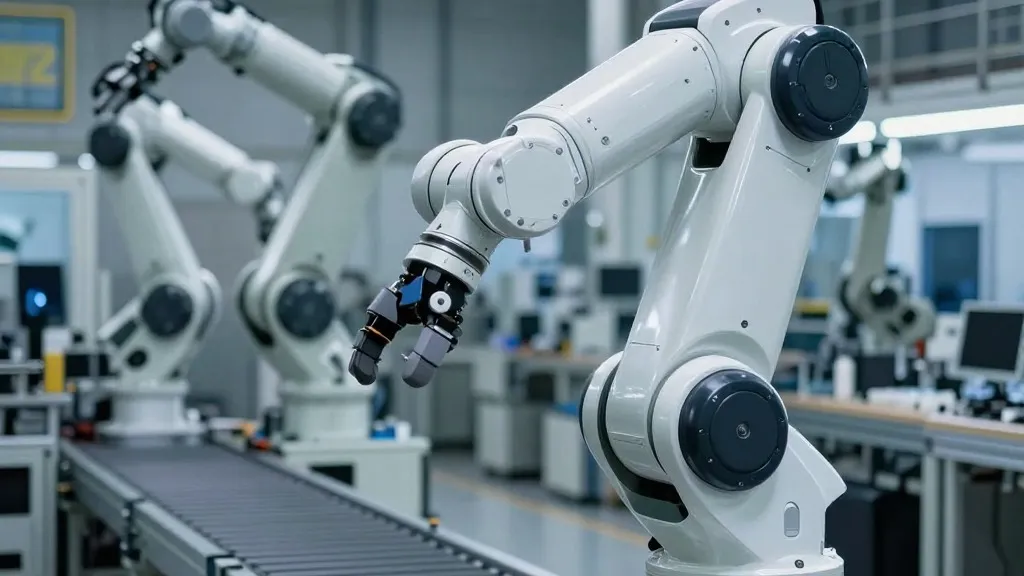
The people involved in the development process have identified the robot's hands as the primary bottleneck. A Tesla Optimus engineer noted that the hand is one of the most difficult hardware areas to finalize, complicated by custom gears that still face reliability concerns. Musk agreed, explaining that the fingers must be soft enough to handle delicate objects yet durable enough to withstand constant wear, a challenge exacerbated by the fact that robots cannot heal like human skin. To address the AI side, Tesla plans to build an 'Optimus Academy' where 10,000 to 20,000 robots will practice tasks to generate the necessary training data, as the company lacks a fleet of robots collecting real-world data in the same way its cars do for Full Self-Driving.
The stakes for Tesla are high, particularly given the competitive landscape. Musk claimed that no other company is 'even close' to Tesla in developing a general-purpose humanoid. However, competitors are making tangible progress. XPeng recently activated an automated production line for its IRON robot in Guangzhou, with mass production targeted for late 2026 and deliveries beginning in the first half of 2027. Meanwhile, Boston Dynamics has started producing its electric Atlas, with all 2026 deployments already committed, including to Google DeepMind. Boston Dynamics has also hired Milan Kovac, Tesla’s former head of Optimus, suggesting a direct talent exchange between rivals.
Looking back, the timeline for Optimus has slipped repeatedly. In 2024, Musk suggested high-volume production for external customers by 2026, and in early 2025, he projected that thousands of robots would be doing useful work by year's end. Now, with the target set for late 2027, the company faces the challenge of proving that its robots can generalize to new, unscripted tasks. Tesla has promised a video within the next one to two months demonstrating this capability. If the robot cannot perform these tasks without pre-programmed routines, the promise of a general-purpose workforce remains distant, regardless of production volume.
Ultimately, the delay highlights that building robots is not the most difficult part of the equation; making them useful is. While Tesla may be building the most units, the competition is not standing still. XPeng and Boston Dynamics are addressing the same fundamental issues of reliability and dexterity, sometimes with different approaches. For investors and consumers, the late 2027 date serves as a reminder that the transition from prototype to practical tool is a long and uncertain process, even for industry leaders.
Source: Electrek